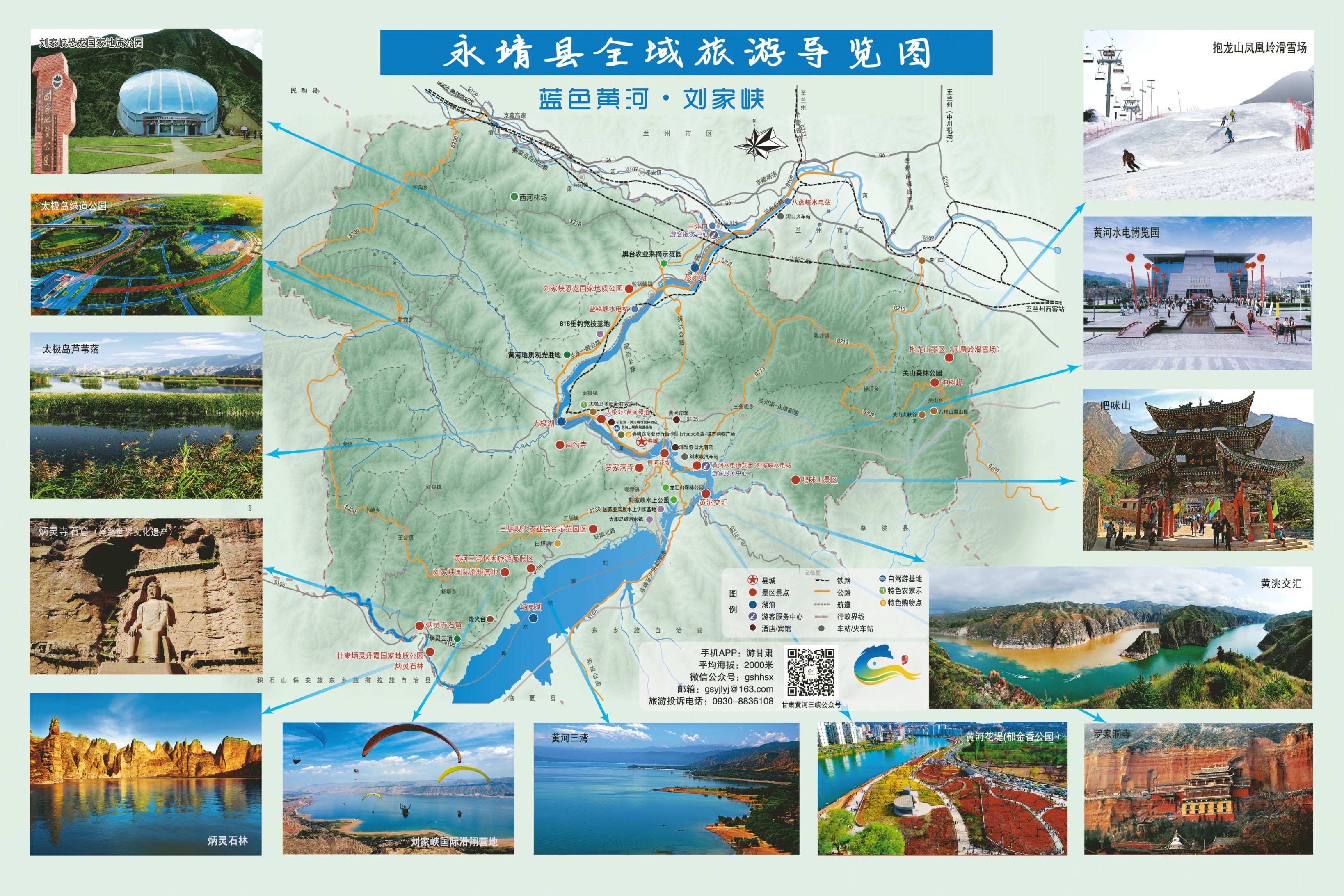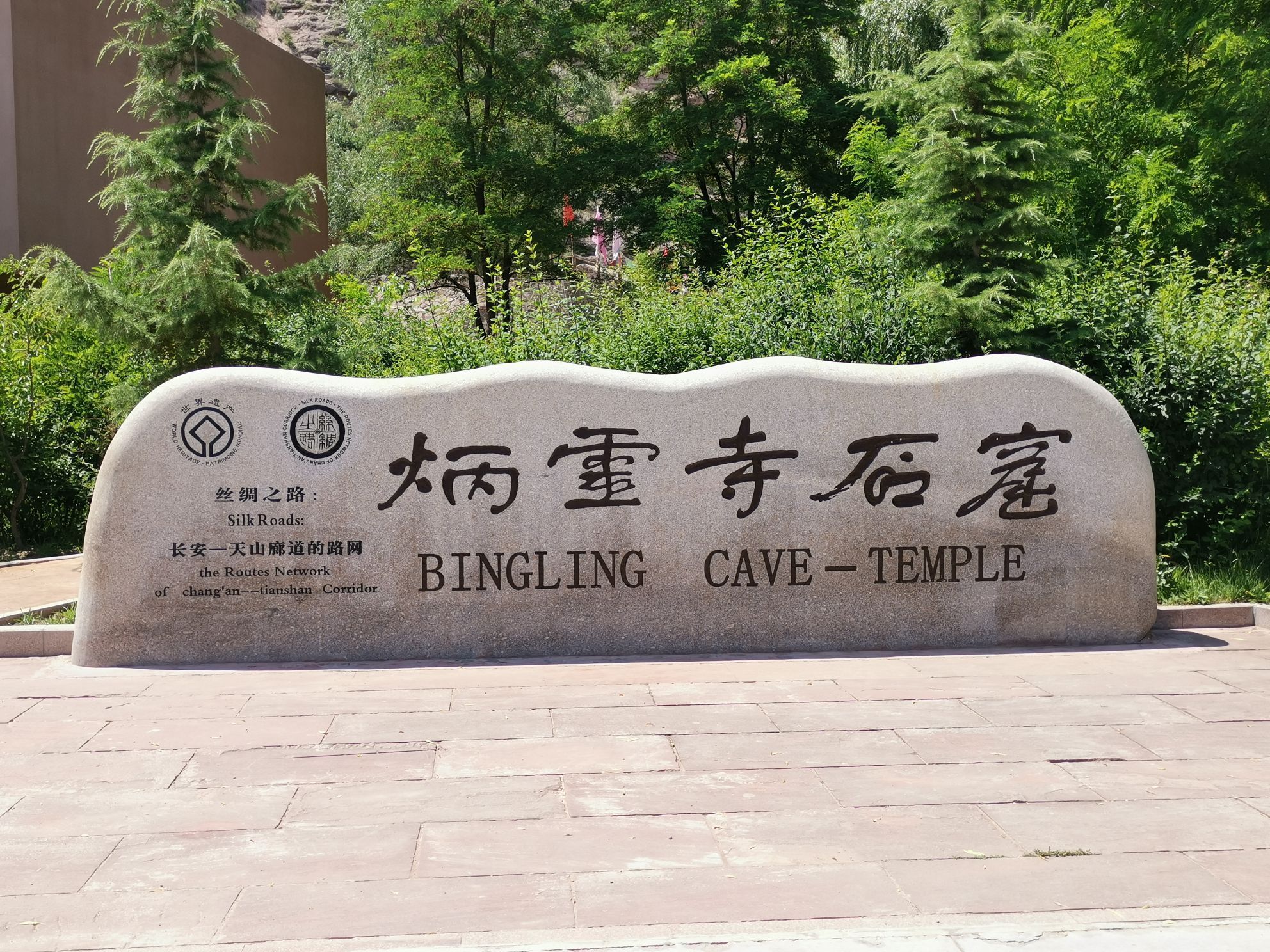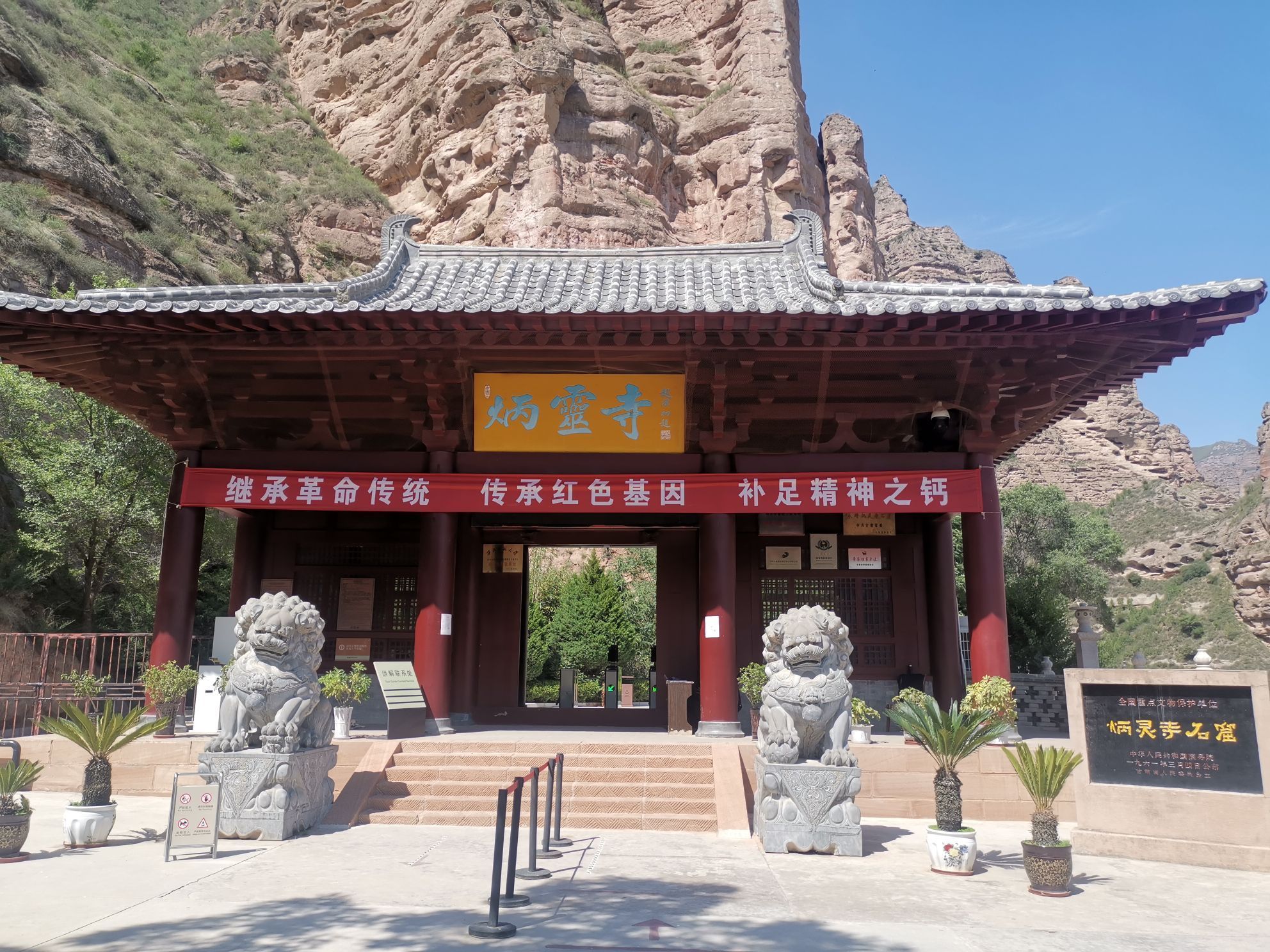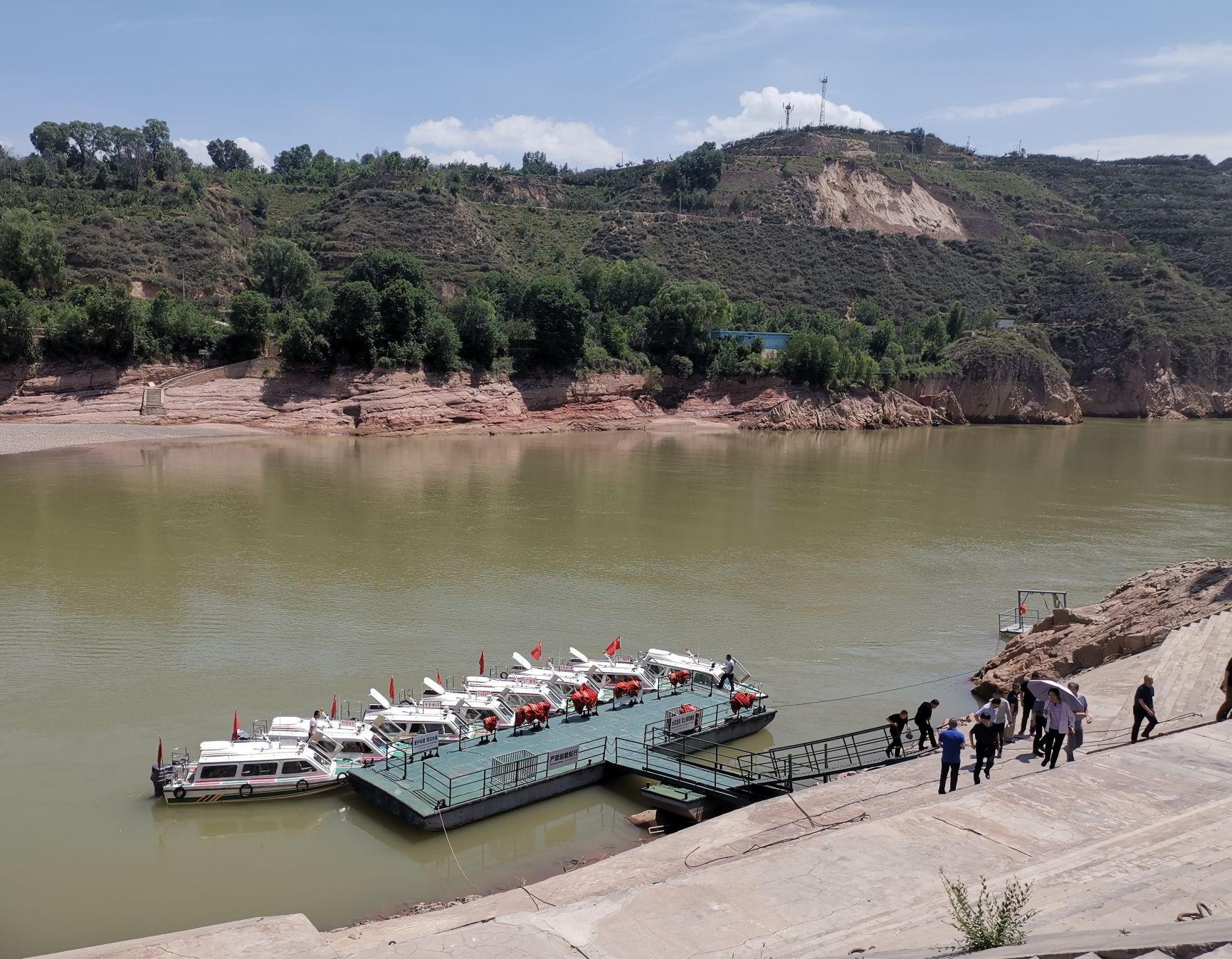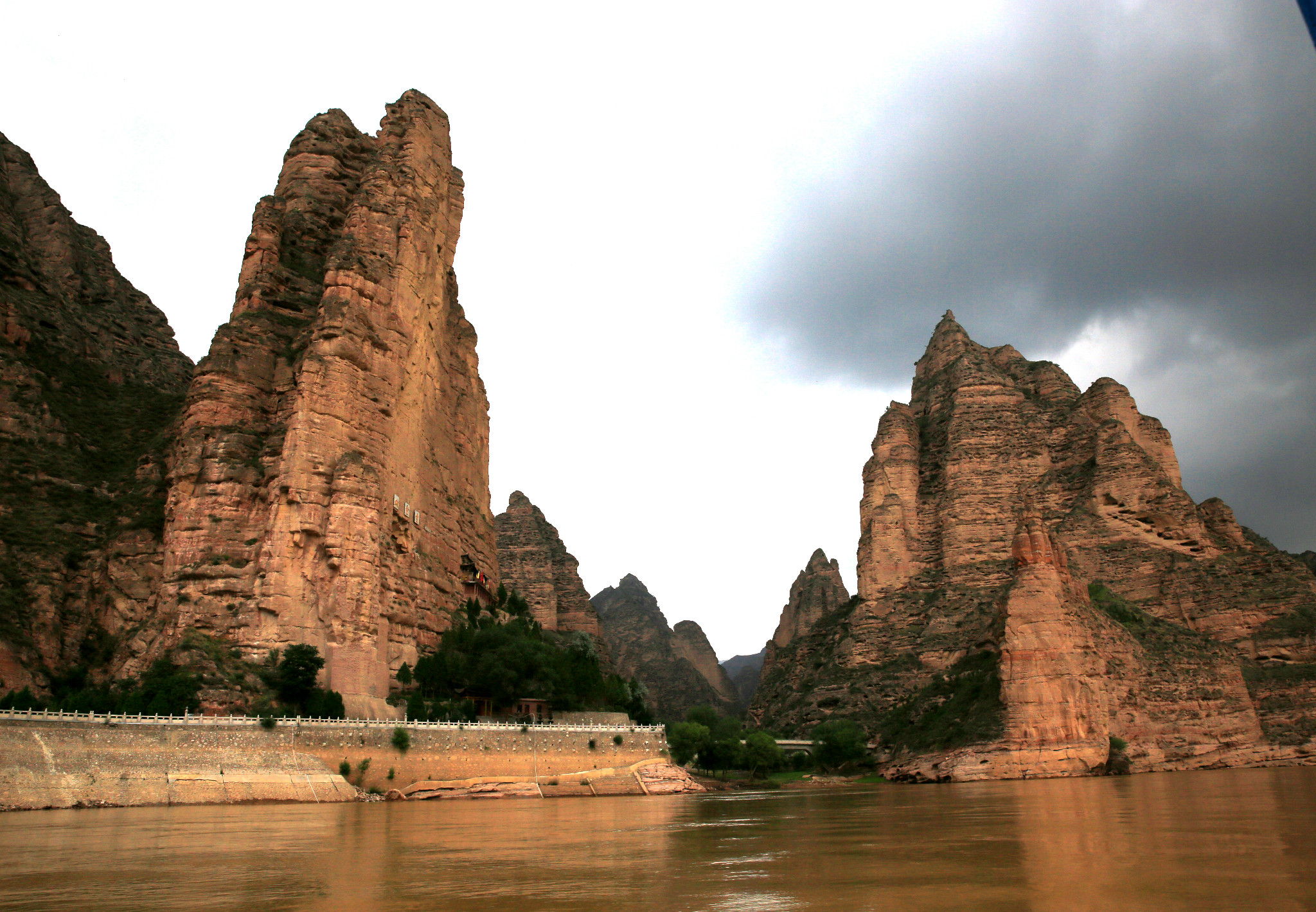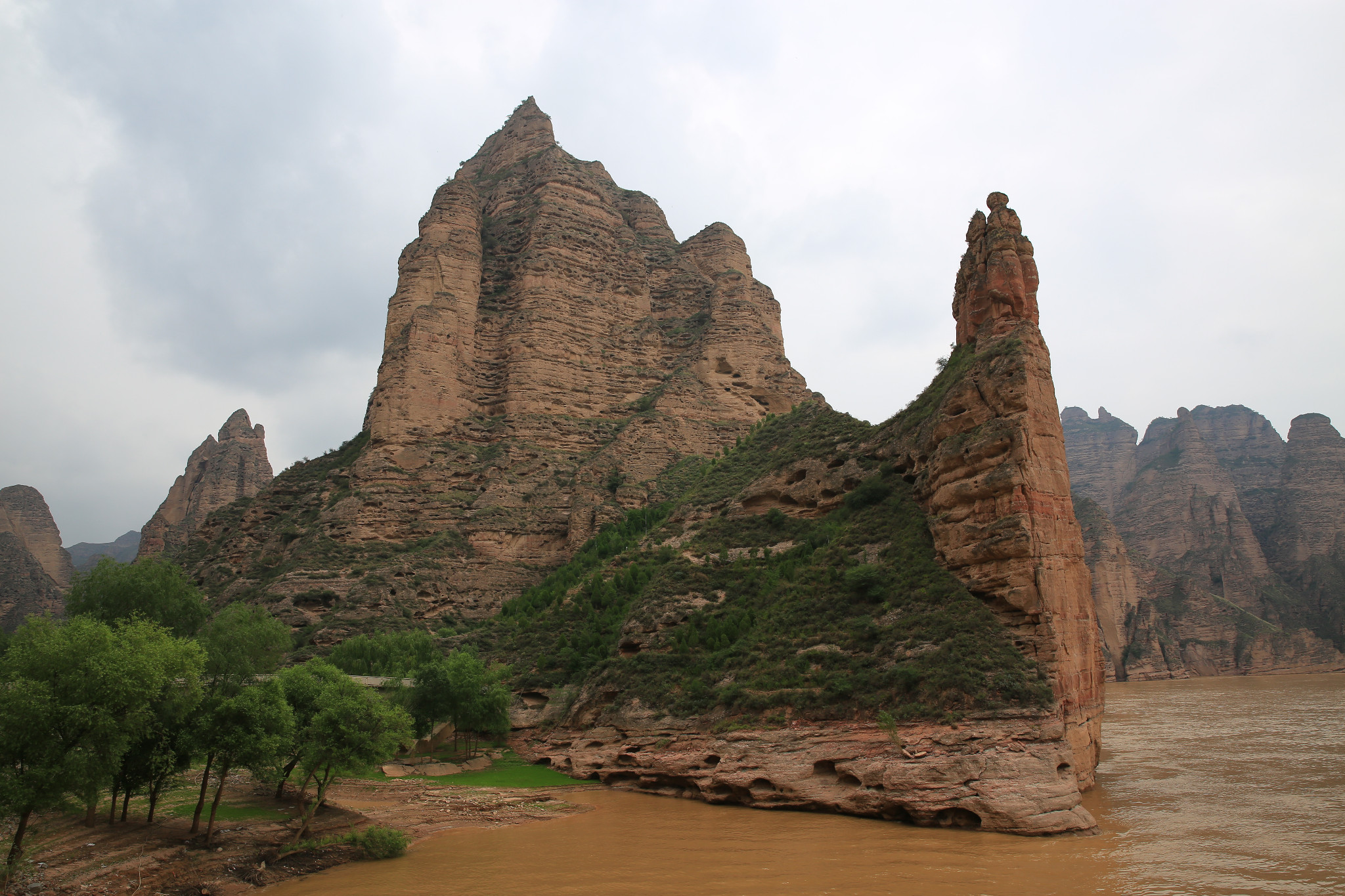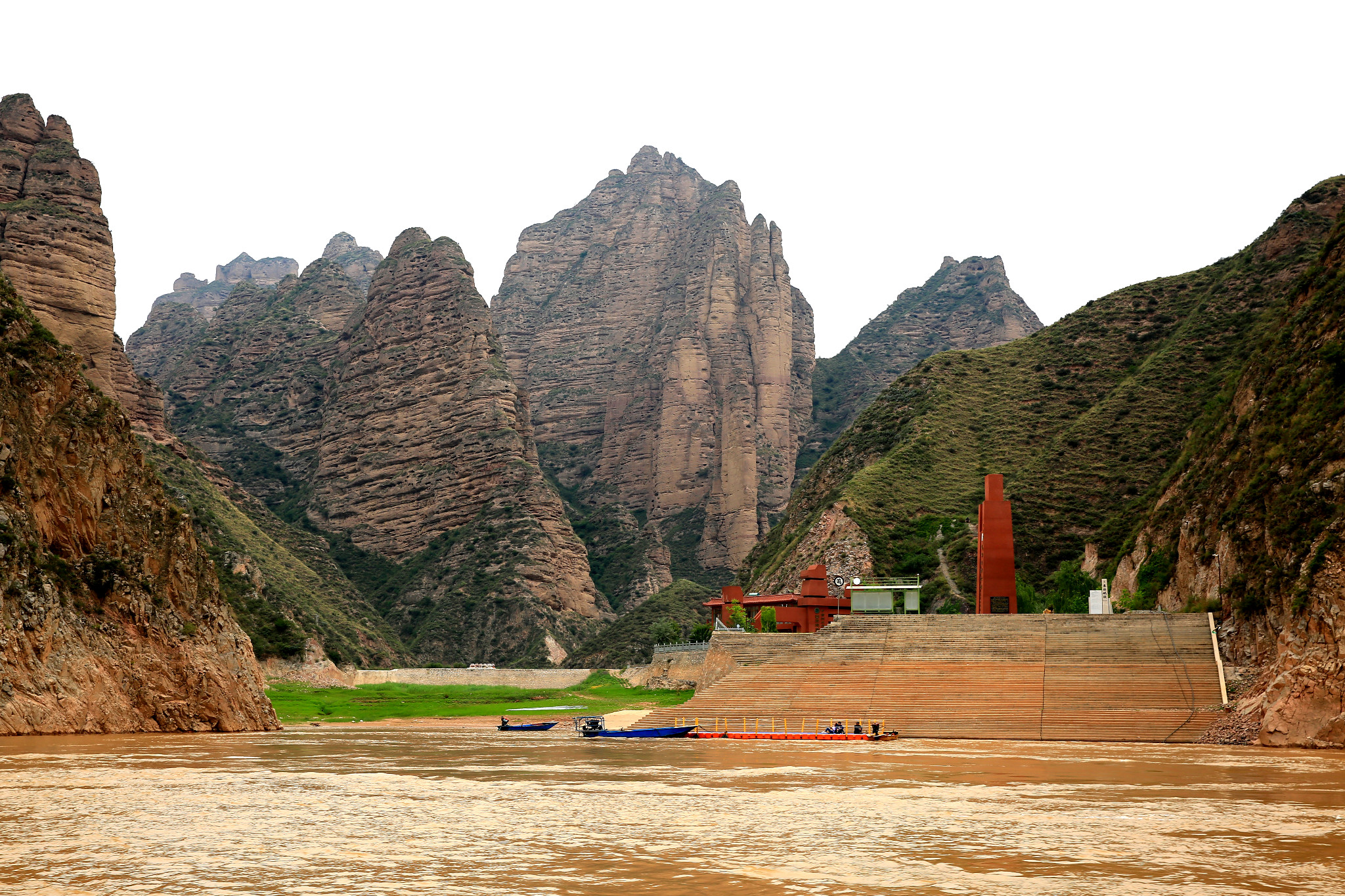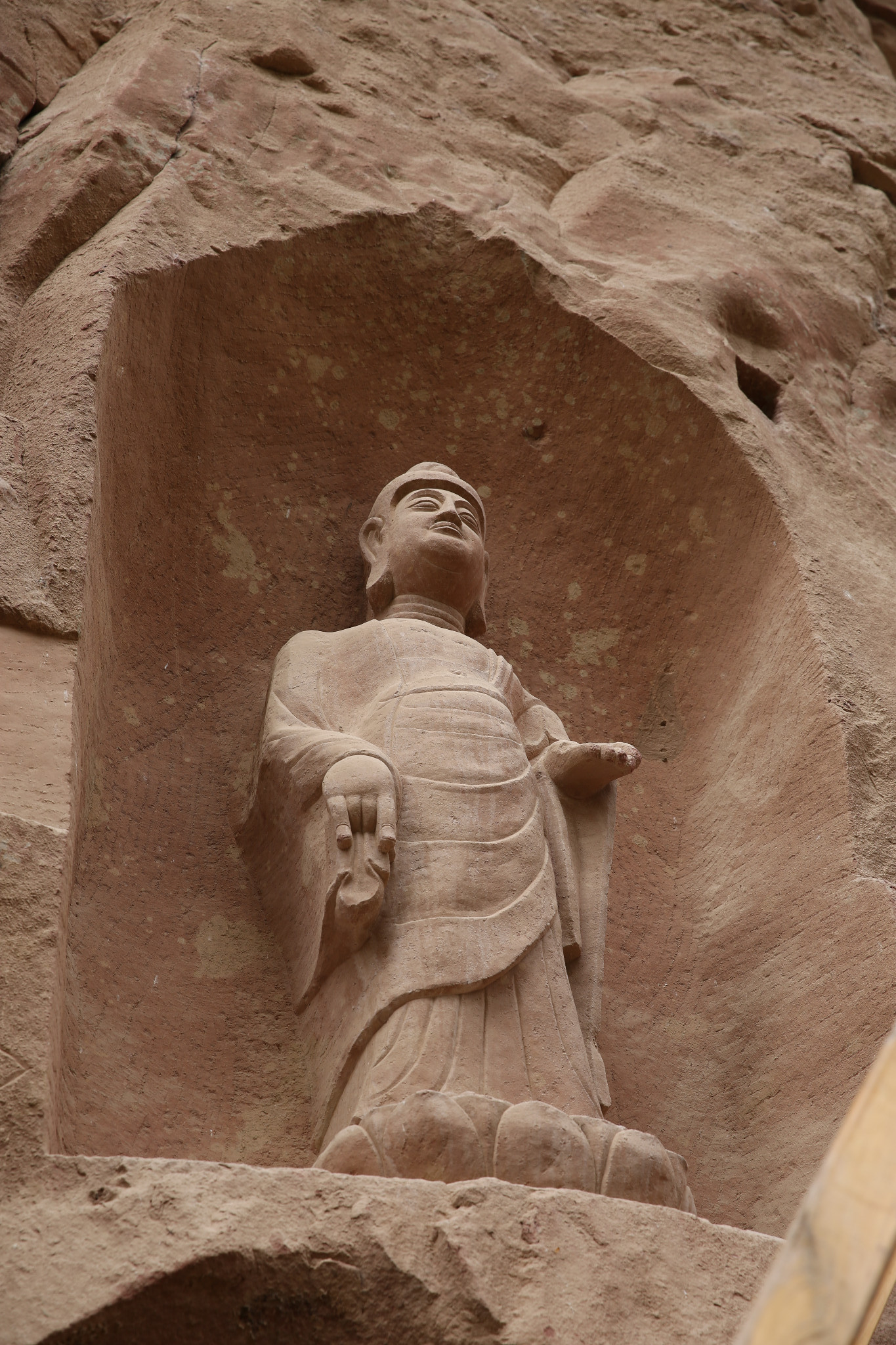
GanSu
Click the map will enter Main attraction
--------------------------------------------------------------------------------------------------------------------------------------------------------------------------------------------------------------------------------------------------------------------------------------------------------------------------------------------

--------------------------------------------------------------------------------------------------------------------------------------------------------------------------------------------------------------------------------------------------------------------------------------------------------------------
| Gansu is a province in the North west region of China.Historically, it is the combination of the two regions, gan and su, and marked the end or beginning of China proper depending upon if you were traveling east towards Xi'an or west towards Central Asia and Europe.
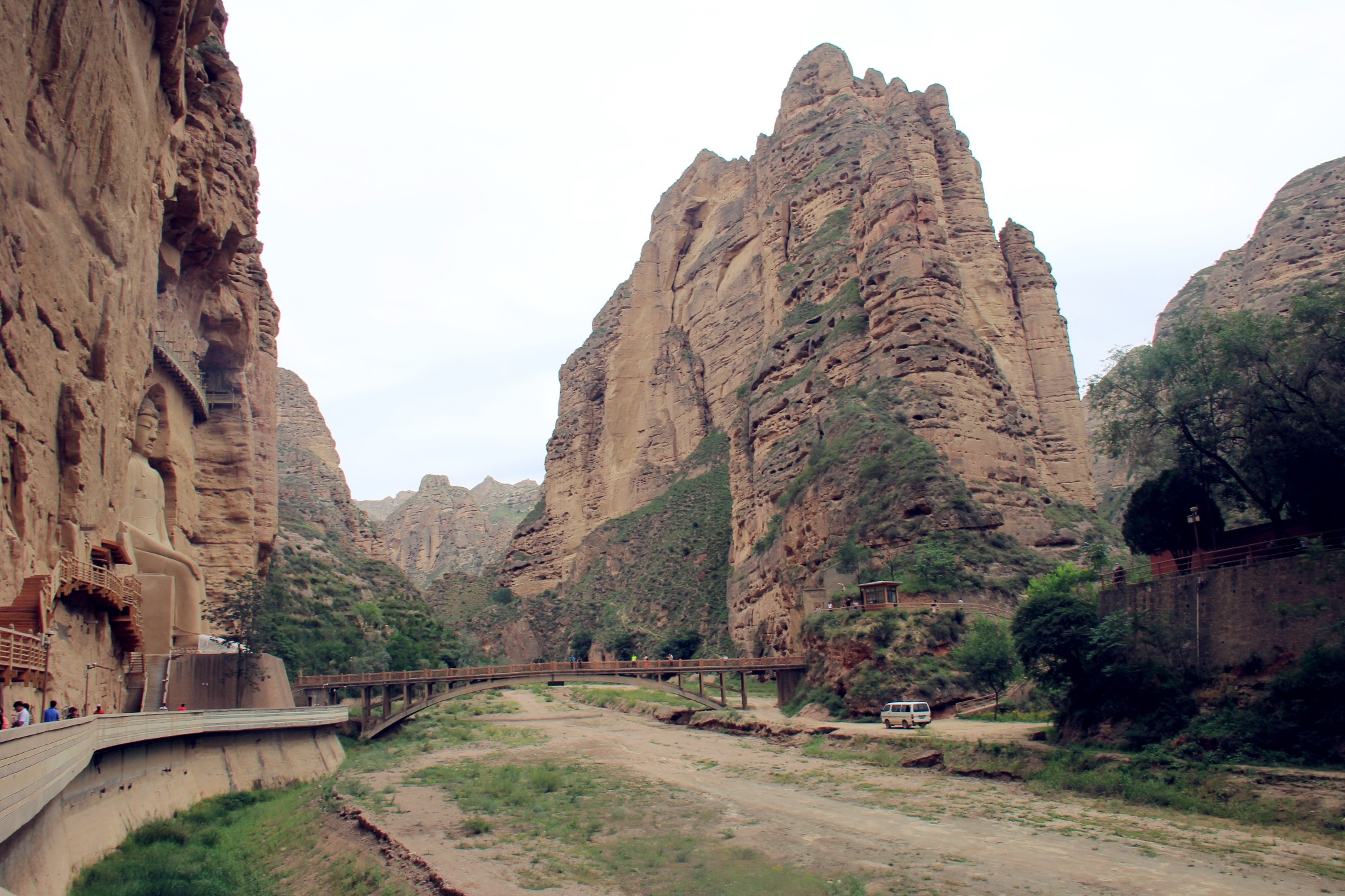
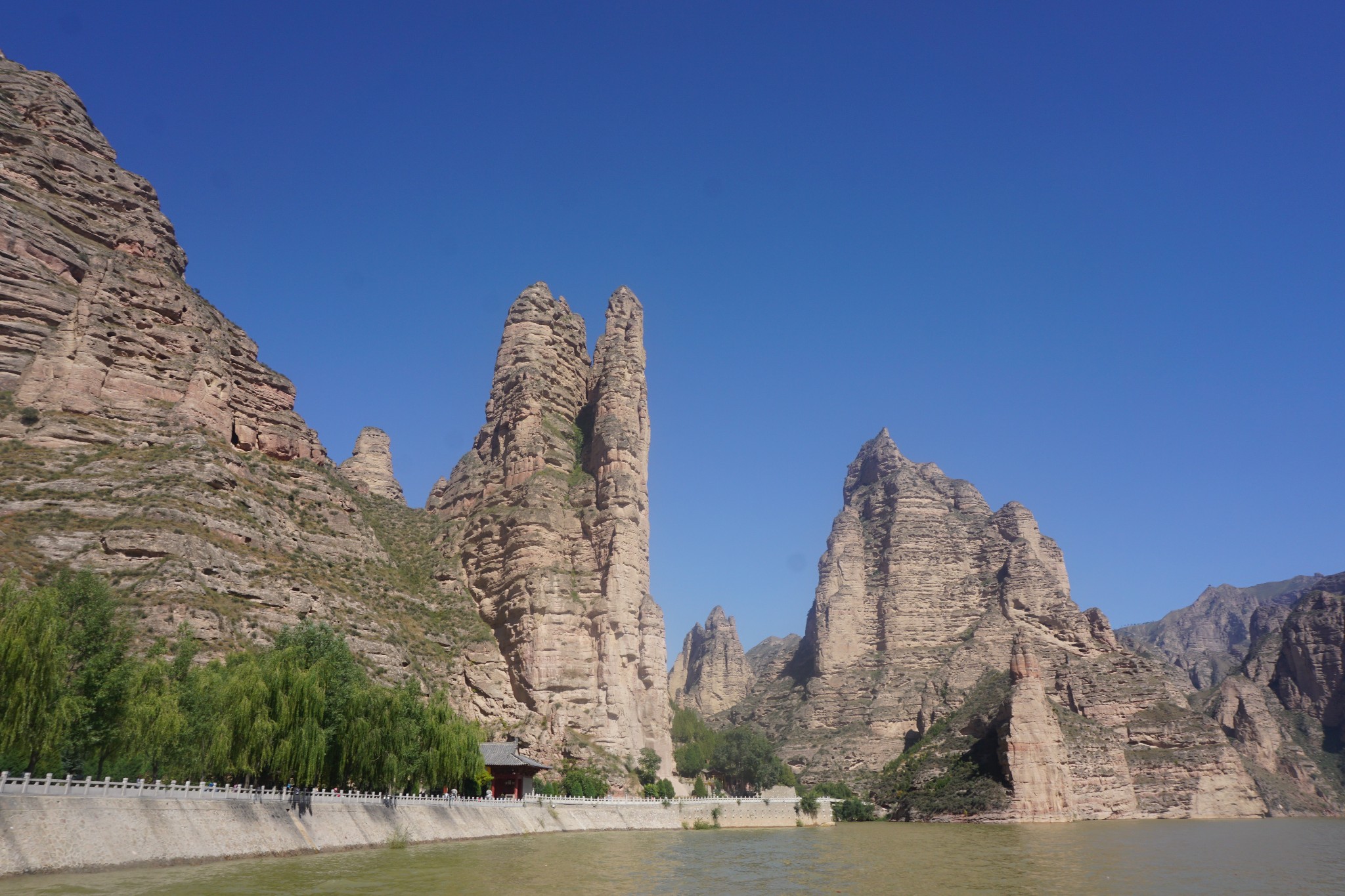
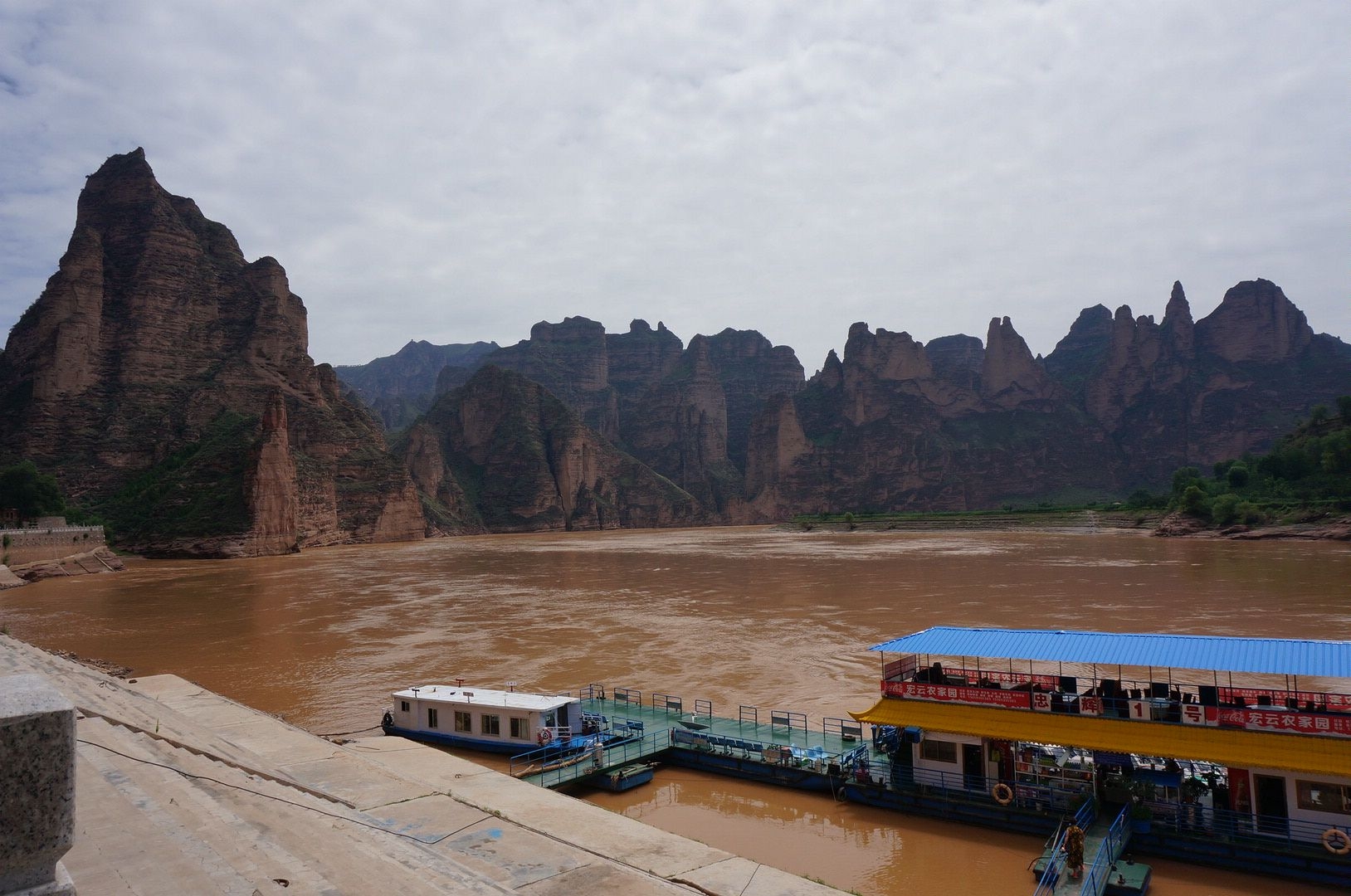
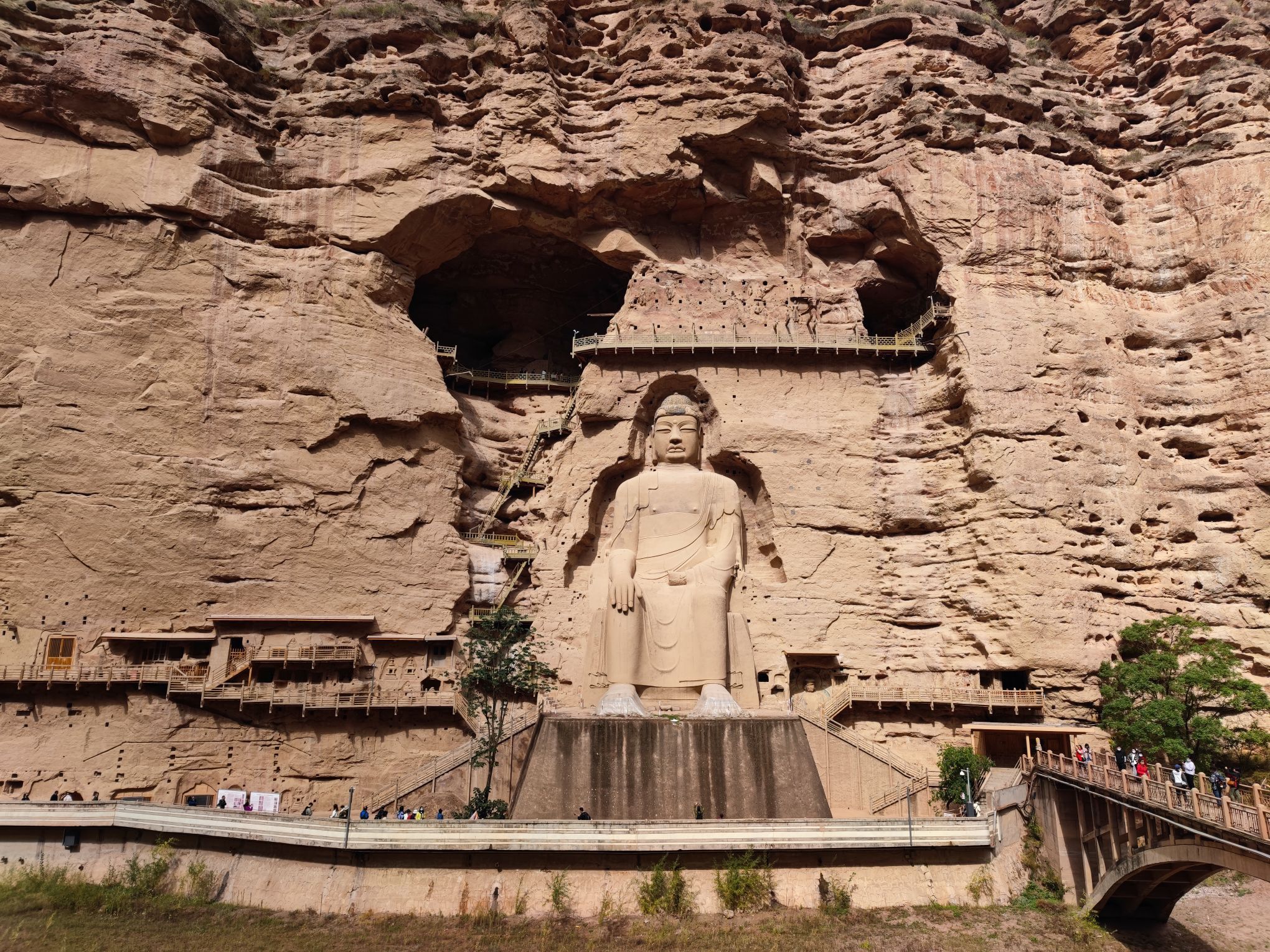
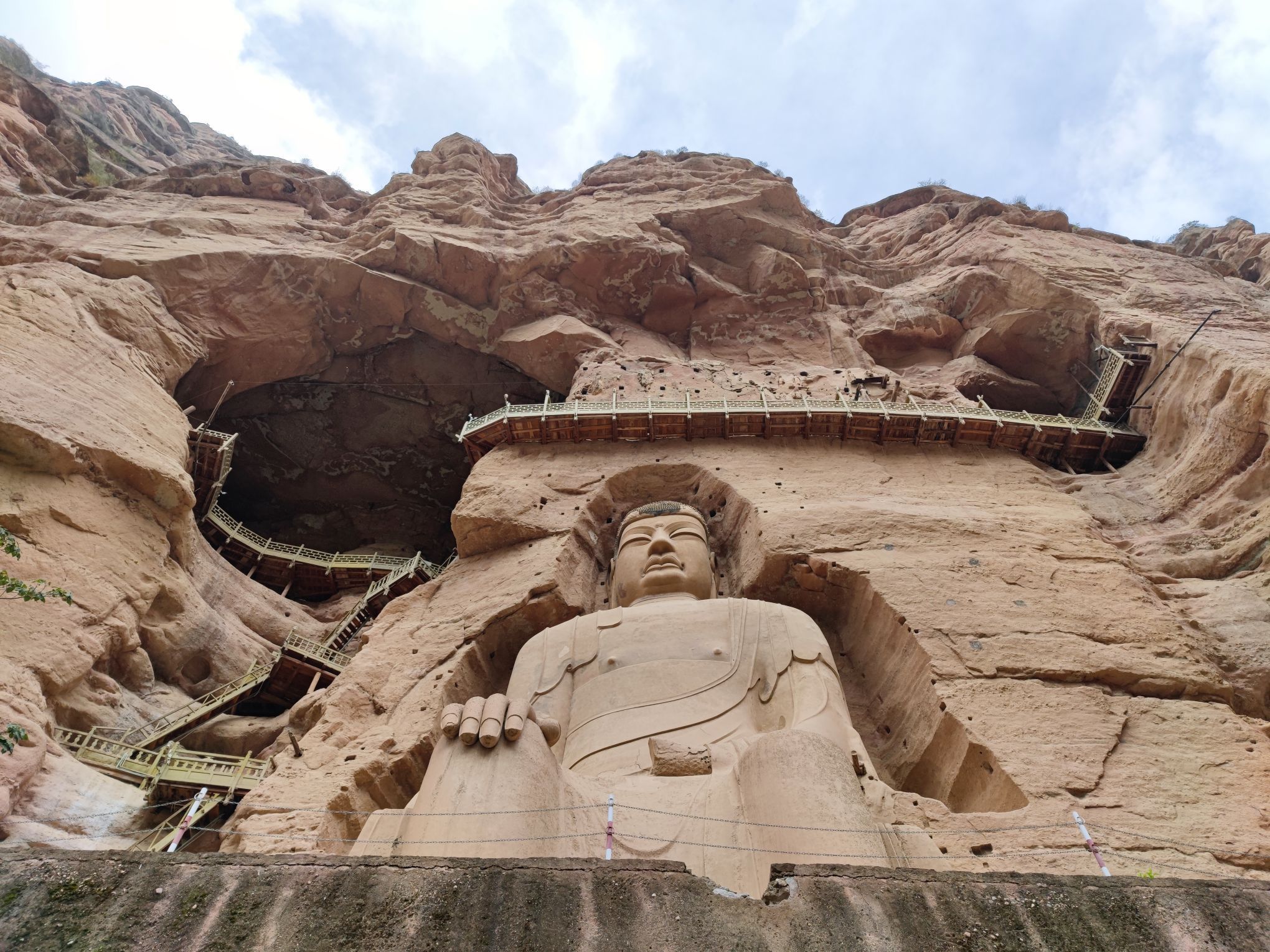
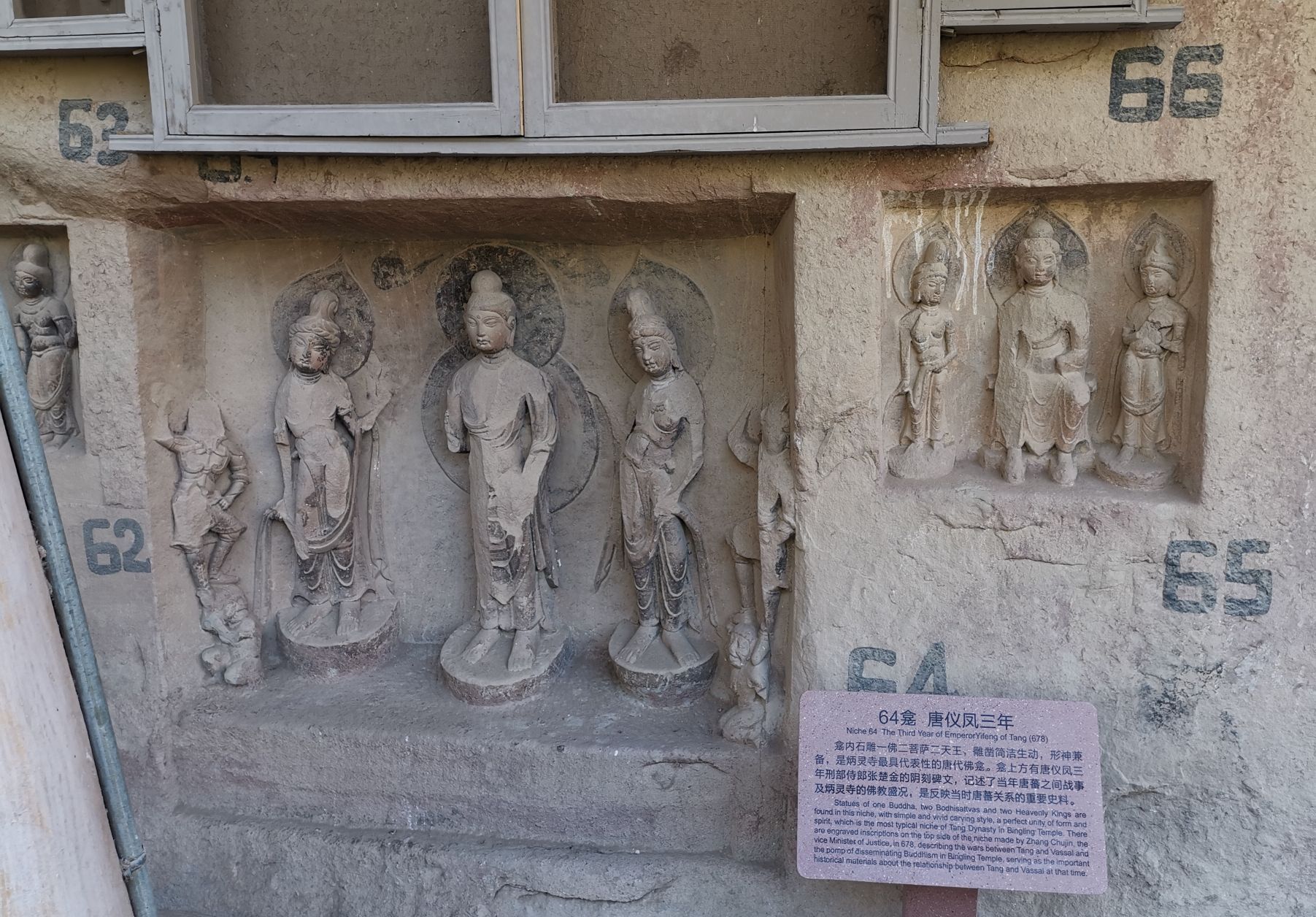
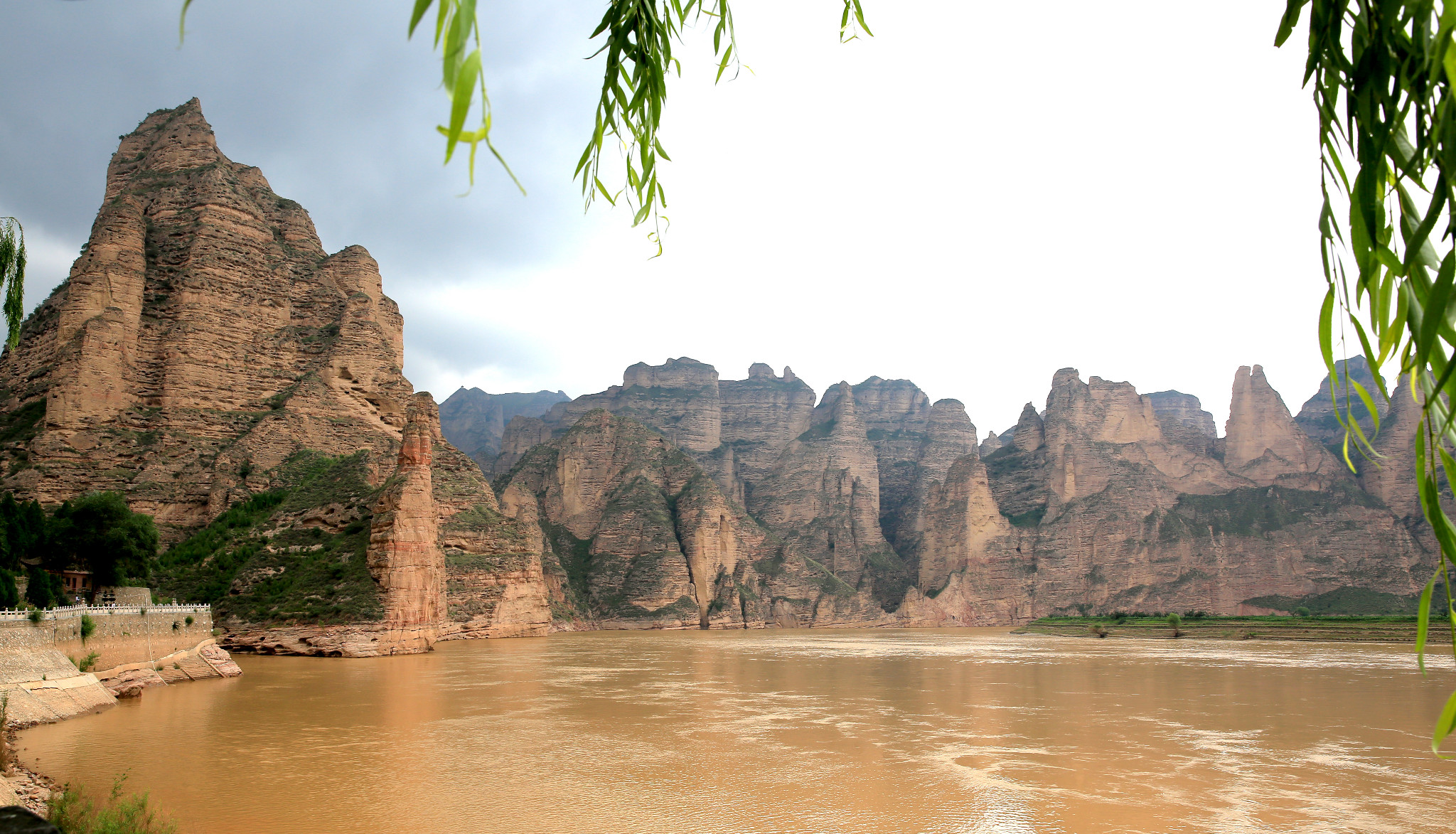
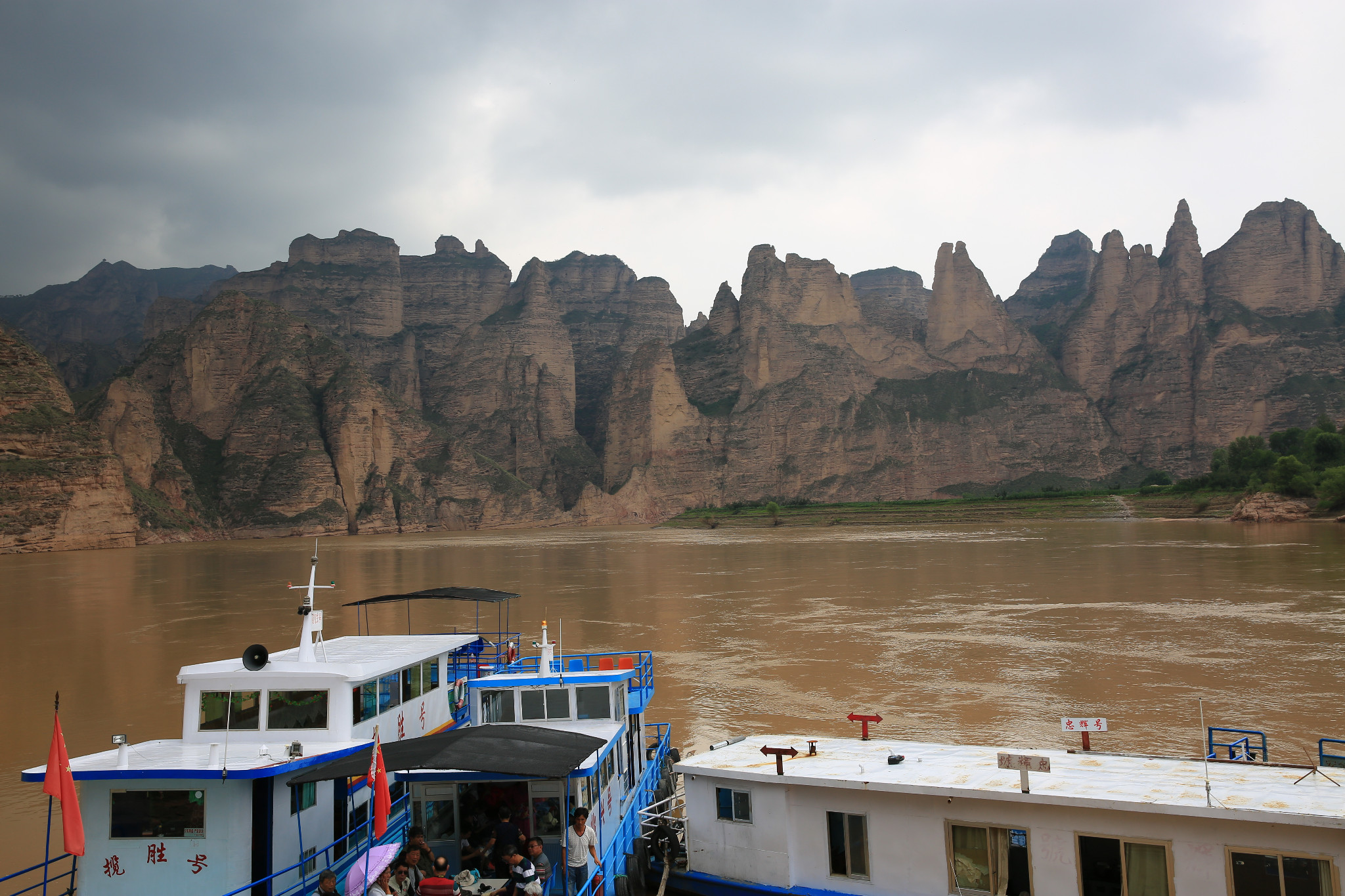
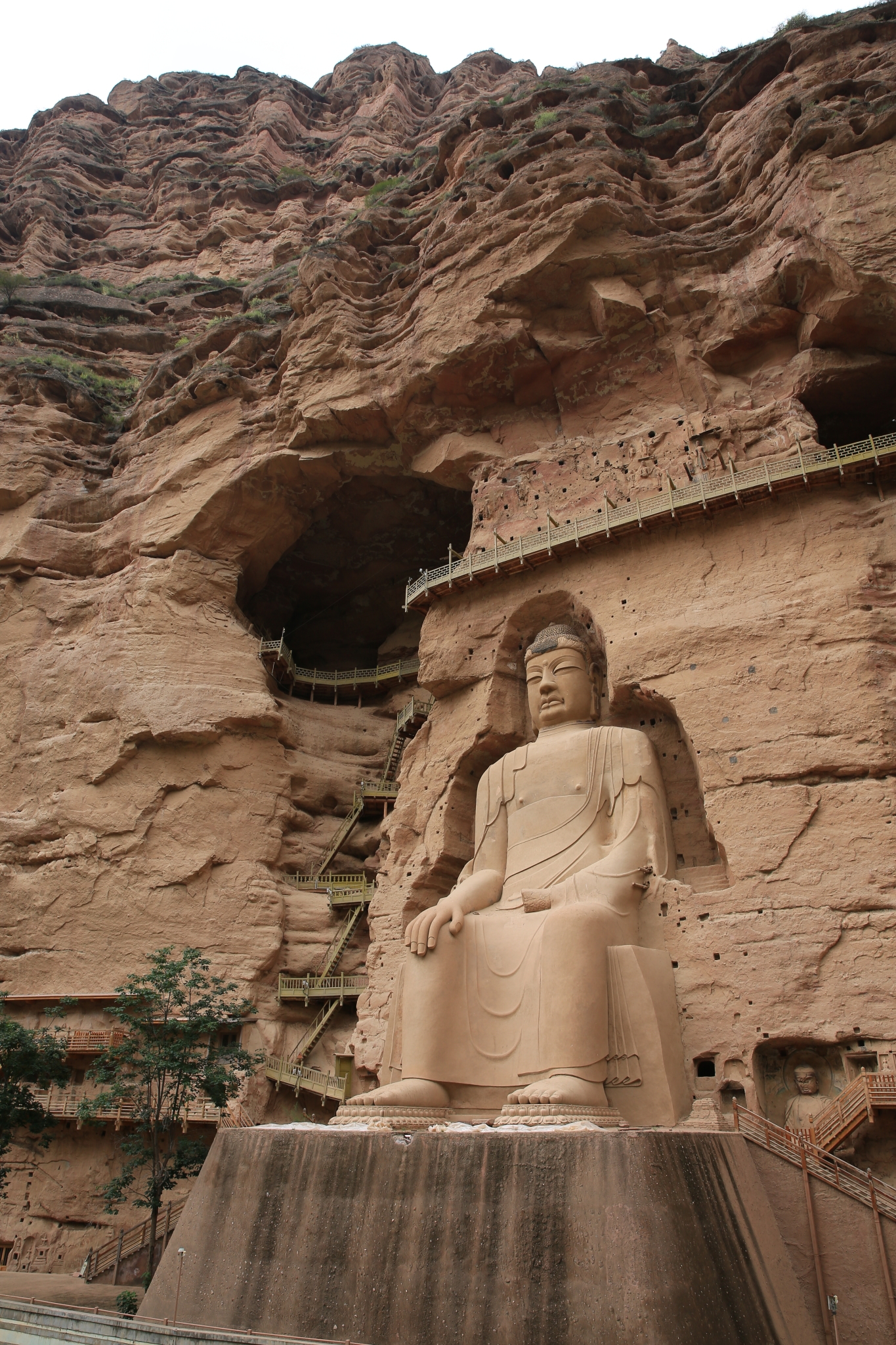
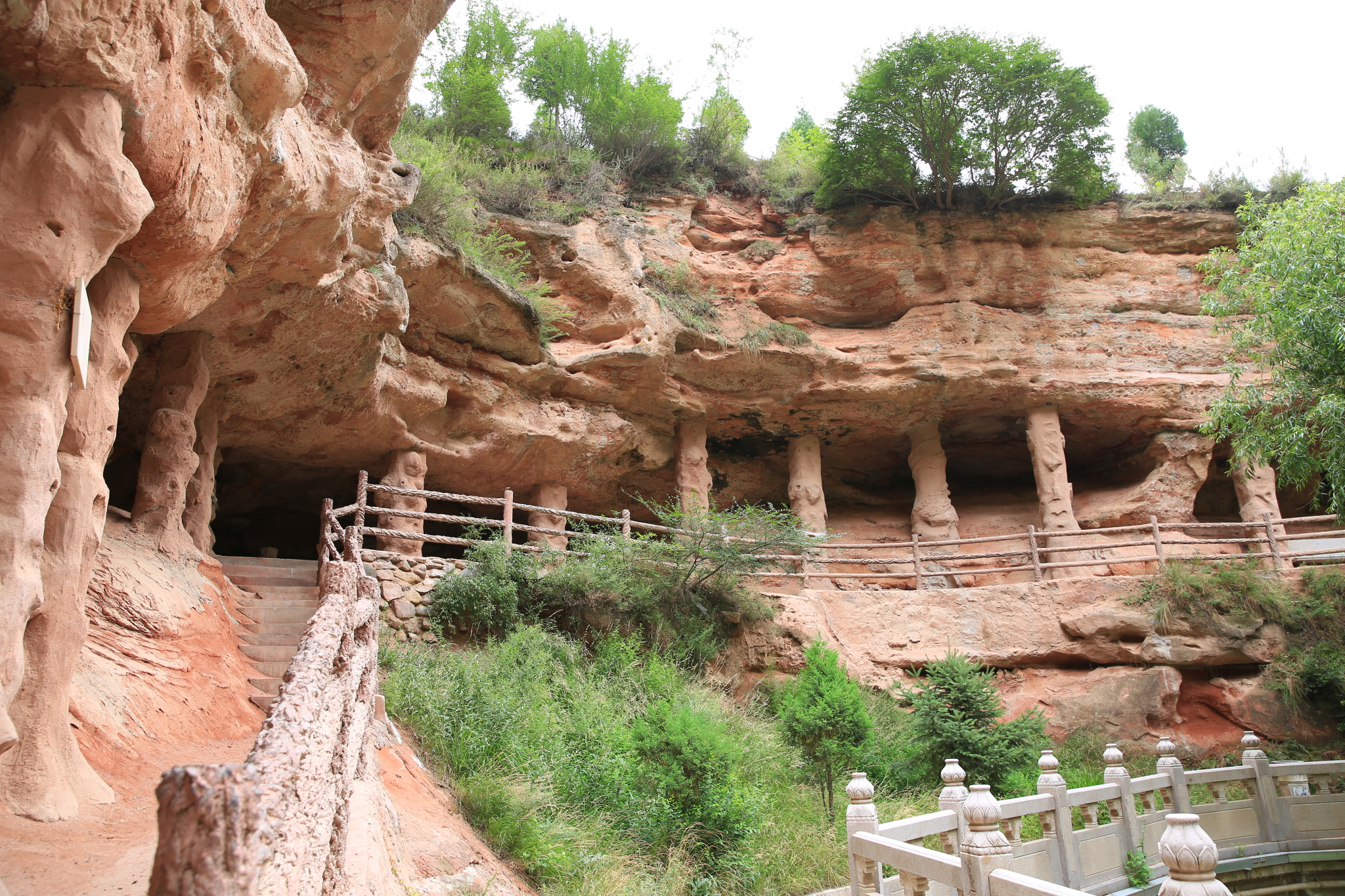
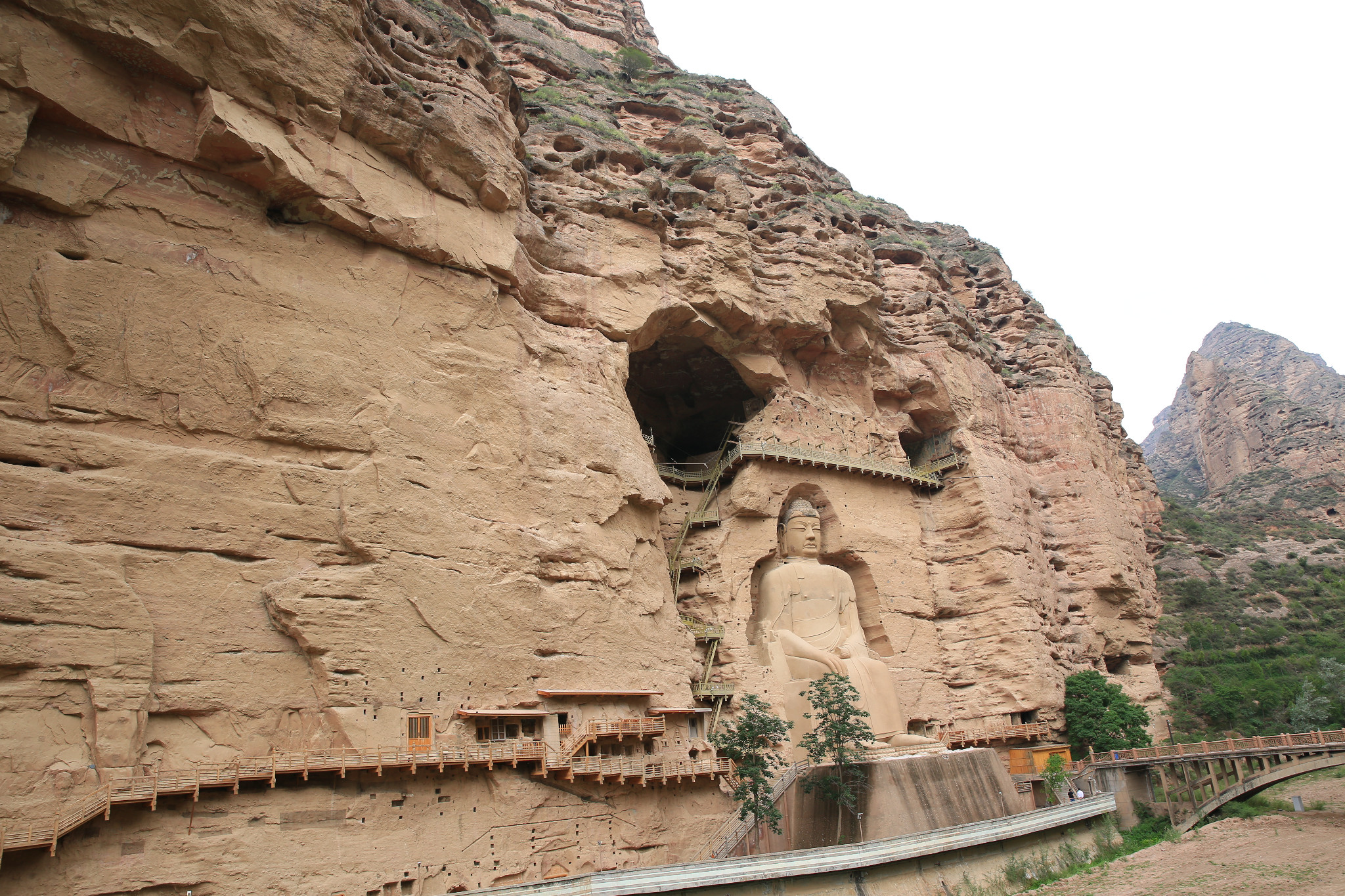
The northwest province of Gansu spans the Qinghai-Tibet, Inner Mongolia and Loess plateaus in the upper reaches of the Yellow River. The topography is complex and the climate unpredictable. The river valleys in the south belong to a subtropical zone while the north is an arid temperate zone. The province was a center for East-West cultural exchangesas early as the Han and Tang dynasties. Many people go to Gansu to seek out the the roots of world civilization. The 1,600-km-longSilk road of the Han and Tang dynasties unfailingly brings the visitor to such places as the grottoes at Dunhuang (a veritable world-class treasure house of art), the Jiayu Pass on the Great wall of china,Majiishan Grottoes of Tianshui, the Labrang Temple of Xiahe, the Great Buddha Temple at Zhangeye and the bronze sculpture of galloping horse in Wuwei. Gansu contains some of the largest and most important Tibetan monasteries outside of Tibet province. Travel by local bus across high, frigid plateaus to reach them. Ride horses across the plateaus past yurts. Share lunch with Tibetan monks. Share yak butter tea with monks. On second thought, don't. It is revolting. This part of China bears almost no resemblance to Eastern Han China. Empty, wild, culturally and ethnically distinct, it offers some of the most exhilarating travel in the world. Imagine 7 hours of travel across a high plateau in a rickety bus dating from 1970. Every few hours, one of your neighbors, swathed in yak wool, stops the bus, dismounts, and starts walking to the horizon. You can see for 20 miles in all directions. There are no towns in sight. It is an empty and riveting land. Beware of the time of year you travel there. It is wicked cold even in May. In rural areas (the most interesting areas are rural), very few housing options are available. Probably, there will be no heat. So bring layers or buy a yak wool coat. |
--------------------------------------------------------------------------------------------------------------------------------------------------------------------------------------------------------------------------------------------------------------------------------------------------------------------
GanSu itinerary
![]() |
|
|||||
![]() |
|
|||||
(Customized Itinerary is welcome) |
||||||


GanSu |
| More Picture -----http://www.travelblog.org/Bloggers/pandabase/ |
IntroductionThis long, snake-like province runs along the Hexi corridor, which was one of the main paths for the Silk Road. At the southern end of the province it bulges out with the Yellow river slicing across the bulge. For thousands of years caravans went down this desert pathway to reach the markets of China, stopping at the occasional oasis town to refuel or for protection against bandits. Recent archaeological diggings have found that Neolithic people lived in the Gansu area over 10,000 years ago, making the Hexi corridor more important that just recent Silk Road commerce. Today, the north and central parts of the province are predominately Muslim. At one time the province belonged to a vast Buddhist Empire that left hundreds of beautiful grottos across the province. Presently the only Buddhists in the province are Tibetan communities in the south and some Mongolian communities strung all over the province. Gansu is one of the poorest provinces but has the potential to become an economic center thanks to its location as a major gateway to western China and vast natural resources. GeographyGansu is a mountainous desert area. This makes it very hard to travel around the province but makes for stunning beauty. Also the remoteness of the area allows visitors to go to places that very few travelers or locals ever go to. Gansu shares domestic borders with Ningxia, Shaanxi, Sichuan, Qinghai and Xinjiang Cities
Hexi Corridor
Southeast
Southwest
Events and FestivalsBeing a mixing ground of different cultures Gansu celebrates every major Chinese, Tibetan and Muslim holiday. And with growing numbers of Christians those holidays are starting to make it into the mix. WeatherGansu is dry and hot in the summer and can be cold in the winter. This place has extreme weather all year but the nice part is very little humidity. Therefore in the summer travellers will not feel the heat so badly. EatGansu is famous for soup noodles. If you like noodles, you're going to be sick of them by the end of the trip. If you dont like noodles, well then youre out of luck. Gansu is known for being the home of the pulled noodles called laomian. One of the interesting parts of laomian is that you're supposed to eat it in a food stall. Fancy restaurants just cannot do the dish justice. Lamian can be found anywhere in China but for some reason it is just better in Gansu. Another favorite of this area of China is karouchar, which is meat on a stick. This is usually made from lamb, but it can be anything. Karouchar hamburger, known as Rou Jia Mo, is particularly nice: the vender cooks up the meat on a stick, puts it into a pita-like thing and then fries the whole thing again, putting tons of spices and red chili on it. It is very good, just be careful when eating lots of street food. |
West China Go Travel Service info@westchinago.com Tel:86-13540893980 Fax:86-28-86614419 |
WestChinaGo.com Copyright@2010ICP09008864 All Rights Reserved |